Andy Goldstein: How to Spot Unicorns in 2026
Key points: Said at the table.
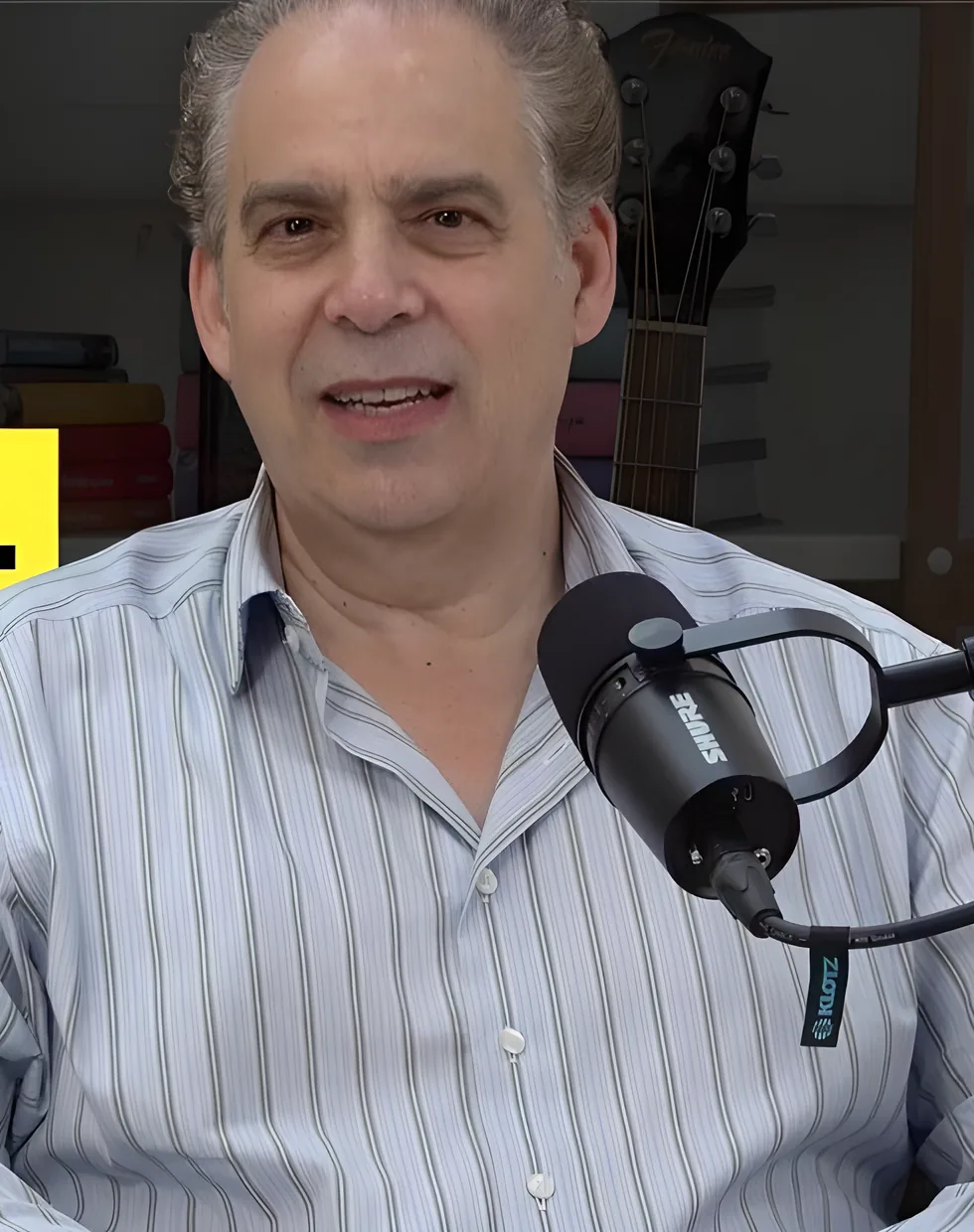
Andy Goldstein
Partner, Venture University and VU Venture Partners
- ▲Spotting unicorns
Show notes.
Andy Goldstein has coached nine unicorns. He also walked away from Deloitte Digital Ventures, the company builder unit where Niclas Schlopsna worked for him as a consultant, to build something entirely different: a university for investors.
In this episode of Deal Makers (& Fakers), Andy sits down with Niclas Schlopsna, partner at spectup, for a full conversation on venture capital, angel investing, startup fundraising, and how to actually break into VC.
From Deloitte Digital Ventures to Venture University
Years of angel investing on his own had produced a portfolio that looked good on paper but was not converting into exits. After four quarters inside Venture University, he had six exits in 2025 alone, and two more already this year.
Networking is not the skill. Deal flow is.
Andy does not think networking is the core skill in investing, deal flow is. But networking is one of the best ways to get it. He described it as giving life a chance to reveal itself to you in a positive way, the kind of thing that happens when a casual conversation about a swim turns into an introduction that leads to a deal.
The buzzword he hears every day
Ask Andy what phrase makes him wince and he will tell you: “we’re an AI first company.” He understands why founders say it, software has gone through its own version of what happened when photography went digital, and everyone is scrambling to prove they will not get replaced.
His test for whether a company is actually AI first: can they show you their large language model partners, their agentic strategy, and how AI shows up in every part of the business, not just the pitch deck
Europe invests around $45 billion a year in venture capital. The US invests over $1 trillion. Andy’s read on the gap has less to do with talent and more to do with mindset. American funds, in his view, are far more stage agnostic, willing to write a $50,000 check into an early company and stay in all the way to IPO. European funds tend to be siloed by stage and fixated on ownership percentage.
“I’d rather invest a couple million in a company valued at two billion that I think is very likely to go to 30 or 100 billion, than invest in a company at two million that I think might go to 10,” he said.
Two changes that would change everything in Capital Ecosystem
Two structural changes, in Andy’s view, would open up more capital in Germany specifically:
- Letting pension funds and insurance companies allocate into venture (something many are currently restricted from doing)
- Stronger tax incentives for private individuals to angel invest, similar to what France already offers.
The three questions before Andy invests
He laid out the criteria the fund uses before writing a check:
- Magnitude of improvement:
Is this solution two times better than the status quo, or ten times, or a thousand times better?
He pointed to Uber as the clearest example of total category transformation.
- Market size:
If the transformation works, is the market big enough to make the company hugely valuable?
He gave the example of a fertility tech company using AI to select embryos, where even a one to two percent improvement in outcomes is large enough to create a unicorn.
- Unfair market advantage:
What is the actual entry point, the marketing hack, that lets this company win distribution before anyone else can copy the idea?
Just like Venmo’s early edge was not the payment technology, it was that all you needed to send money was a phone number.